Category: WordPress
How to Move a WordPress Site to a New Domain, Server, or Host
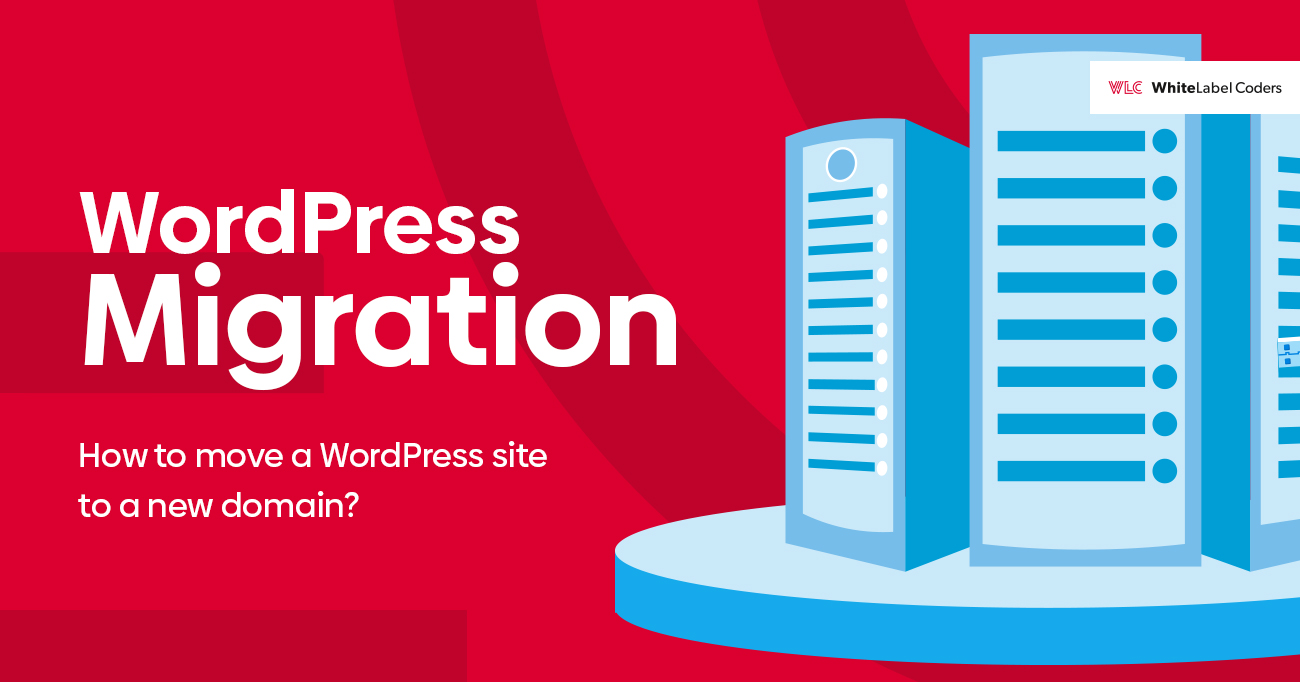
Moving a WordPress site — to a new domain, a new server, or a new hosting provider — follows the same core process: back up everything, migrate files and database, update URLs, and verify the site works before pointing the domain at the new location. The exact steps vary slightly depending on whether you’re changing the domain, the server, the host, or some combination of all three, but the fundamentals are the same.
Before you start: back up everything
Always start with a full backup — files, database, plugins, and theme — regardless of which migration method you choose. You can do this manually (exporting the database and downloading files via FTP/SSH) or with a plugin like Duplicator. Whichever method you use, this backup is what lets you recover quickly if anything goes wrong mid-migration, and it can save hours of rework.
Migrating WordPress manually
Manual migration gives full control and works well for simple sites:
- Log into the hosting account via SSH (or FTP if SSH isn’t available)
- Compress the WordPress files into a
.zip,.tar, or.gzarchive - Export a copy of the WordPress database
- Replace old URLs in the database dump with the new domain’s URLs, using a “Search and Replace” tool (a plain text find/replace on a raw SQL dump can break serialized data — use a dedicated search-replace tool built for WordPress databases instead)
- Transfer and extract the WordPress files on the target server
- Import the database on the new server (via phpMyAdmin or a similar tool)
This is generally the fastest, most reliable option for a straightforward site — the tradeoff is that it requires comfort with server access and manual database editing.
Migrating WordPress with a plugin
A migration plugin reduces downtime and manual error, at the cost of some flexibility:
- Duplicator — a widely used, wizard-driven migration tool: it creates a backup with an installer script, which you upload to the new server, then run through a migration wizard that extracts files and installs the site. Only the URLs in the database need manual updating afterward.
- UpdraftPlus — scheduled backups to almost any destination (Amazon S3, FTP, email); the premium version adds a full migration service to move a complete WordPress backup to any new host or domain.
- Jetpack — daily backup snapshots with a security focus, plus a user-friendly restore/migration wizard and solid documentation.
- All-in-One WP Migration — free, broad compatibility across PHP versions and operating systems, and a large active user base.
- Migrate Guru — built by BlogVault, automates URL changes and handles WordPress’s serialized data without needing separate import/export scripts.
Whichever plugin you use, remove it after migration finishes. An unused but still-active migration plugin is a common, avoidable security risk, particularly on a site that isn’t updated regularly.
Migrating with CI/CD
For large or actively developed sites — especially with multiple contributors making frequent changes — a CI/CD pipeline with version control is the more robust approach. It uses a code repository to push a specific version of the site to a target server, typically running automated tests first to catch issues before they reach production. This is usually how sites move from development, through staging, to live — including across domain or hosting changes. It’s more complex to set up initially, but pays off on large, actively maintained projects where manual or plugin-based migration would be too error-prone or too slow to repeat reliably.
DNS and domain propagation
Once files and database are on the new server, the domain itself needs to point there:
- Update the domain’s A record (or CNAME, depending on setup) to the new server’s IP address
- Update nameservers if the new host manages DNS itself
- Expect propagation to take anywhere from a few minutes to 48 hours, depending on the domain’s TTL (time-to-live) setting and the registrar
- Test using the new server’s temporary IP or a hosts-file edit before full propagation completes, so the site can be verified without waiting on DNS to fully resolve everywhere
Lowering the domain’s TTL a day or two before migration (where possible) shortens propagation time when the actual cutover happens.
SSL certificates after migration
SSL doesn’t automatically carry over to a new server or host:
- If moving to a new host, a new SSL certificate typically needs to be issued and installed on the new server (many hosts offer free Let’s Encrypt certificates as part of setup)
- Confirm the site loads correctly over HTTPS with no mixed-content warnings — remaining
http://references in the database (images, internal links) are a common post-migration issue - Update any hardcoded HTTP URLs in the database during the same search-and-replace step used for domain URLs
Post-migration checklist
- All pages load correctly on the new domain/server, including forms and dynamic content
- SSL certificate installed and working, no mixed-content warnings
- Internal links and image URLs updated to the new domain
- 301 redirects set up from old URLs if the domain itself changed, to preserve SEO value and avoid broken links from external sources
- XML sitemap regenerated and resubmitted in Google Search Console
- Google Search Console and Analytics updated to track the new domain/property
- Any migration plugin fully uninstalled
- Old backup retained securely until the new site is confirmed stable
Manual migration vs. plugin vs. CI/CD: which should you use?
- New, simple site: manual migration is usually the fastest and most reliable option, and doesn’t require installing anything that later needs to be removed
- Migrating with minimal downtime, less technical comfort: a migration plugin (Duplicator, All-in-One WP Migration) handles most of the process through a guided wizard
- Large, actively developed site with multiple contributors: CI/CD is worth the upfront setup cost, since it supports repeatable, tested deployments rather than one-off manual migrations
FAQ
Will moving my WordPress site to a new domain hurt my SEO? It can, if not handled correctly — the main risk is losing link equity and search rankings from the old domain. Setting up proper 301 redirects from every old URL to its new equivalent, updating the XML sitemap, and resubmitting in Google Search Console are the key steps to preserve as much SEO value as possible.
Do I need to change my SSL certificate when moving to a new host? Usually yes — SSL certificates are typically tied to the server they were issued on, so a new host generally needs a new certificate installed, even if the domain itself isn’t changing.
How long does WordPress migration take? A small site migrated manually or via plugin can often be done in under an hour of active work, though DNS propagation afterward can take up to 48 hours before all visitors reach the new location. Larger or more complex sites, or CI/CD setups, take longer to plan and execute properly.
Should I migrate manually or use a plugin? Manual migration is generally faster and avoids leaving extra software installed, but requires comfort with server access and database editing. A plugin is a better fit if you want a guided process and are less comfortable working directly with files and databases — just remember to remove it once the migration is confirmed working.
Migrating a WordPress site — especially a business-critical one — is easiest to get right with the proper backup, testing, and rollback plan in place before you start. If you’d rather have it handled for you, get in touch — we handle WordPress migrations regularly and can make sure nothing breaks along the way.