Category: WordPress
What is a scalable architecture for trading affiliates?
Scalable architecture for trading affiliates is a WordPress development approach that allows platforms to handle growing traffic, expanding content libraries, and increasing data loads without performance degradation. It separates concerns, uses modern frameworks, and implements caching strategies that support real-time broker data while maintaining fast page speeds. This architecture reduces technical debt and enables marketing teams to deploy campaigns quickly without constant developer intervention.
What is scalable architecture and why do trading affiliates need it?
Scalable architecture refers to a WordPress development structure that grows with your business demands without breaking down under pressure. For trading affiliates, this means building platforms that handle thousands of broker comparisons, real-time spread updates, and traffic spikes during major market events while maintaining speed and stability.
Trading affiliates face unique challenges that standard WordPress setups simply can’t handle. You’re dealing with broker APIs that push live data every few seconds. Regulatory changes require instant updates across hundreds of pages. When a major broker launches a promotion, you need to publish comparison landing pages within hours, not days.
The architecture needs to support these demands without creating bottlenecks. When your comparison tables pull data from multiple broker APIs simultaneously, poor architecture causes slow page loads. When your content team publishes fifty new broker reviews during a campaign launch, inadequate structure leads to database strain and crashes.
Proper WordPress scalable architecture prevents these problems by separating data management from presentation. A centralized Trading Data Center stores broker information, spreads, fees, and promotions in one place. When you update a broker’s commission structure, the change appears instantly across every relevant page, comparison table, and widget.
This approach eliminates technical debt, the accumulated shortcuts and quick fixes that eventually make your platform unmaintainable. Instead of patching problems, you build systems that handle complexity naturally. Your platform becomes faster as you add content, not slower.
What makes traditional WordPress setups fail for high-traffic trading platforms?
Traditional WordPress installations struggle with trading affiliate demands because they weren’t designed for real-time data integration and high-volume content operations. Standard setups use monolithic architecture where everything connects to everything else, creating fragile systems that break when you need them most.
Plugin conflicts are the most visible symptom. Your comparison table plugin clashes with your caching plugin, which interferes with your API integration plugin. Each plugin developer made different assumptions about how WordPress should work. When you combine ten plugins, you’re hoping their assumptions align. They usually don’t.
Database query inefficiencies become critical under load. Every time someone views a broker comparison page, traditional setups might run fifty separate database queries. Multiply that by a thousand visitors during a market event, and you’re executing fifty thousand queries when a properly structured system would need just a few hundred.
Caching strategies in standard installations are either too aggressive or too timid. Aggressive caching means your live spread data shows yesterday’s numbers. Timid caching means every visitor triggers fresh API calls to broker platforms, creating unnecessary load and slow response times.
These limitations manifest as poor Core Web Vitals scores that damage your SEO rankings. Pages take five seconds to load when Google expects two. Your Largest Contentful Paint suffers because images and comparison tables aren’t optimized. Cumulative Layout Shift frustrates users as content jumps around while data loads.
Traffic spikes during major announcements expose every weakness. When a popular broker changes commission rates or a regulatory body announces new rules, your traffic doubles within hours. Traditional setups crash or slow to a crawl precisely when you need to capture that valuable traffic.
Perhaps most damaging is the developer dependency these systems create. Your marketing team wants to publish a new broker comparison. They need IT to create the page structure. They need developers to add the comparison table. They need technical support to connect the API feeds. A task that should take thirty minutes requires three days and multiple people.
How does modern WordPress architecture solve scalability challenges?
Modern WordPress frameworks like Bedrock, Sage, and Radicle restructure how WordPress applications are built and maintained. They separate configuration from code, development from production, and presentation from business logic. This separation creates systems that multiple teams can work on simultaneously without conflicts.
Bedrock organizes your WordPress installation using a structure that mirrors professional application development. Your WordPress core sits in its own directory, isolated from your custom code. Configuration happens through environment files that never enter version control. Dependencies are managed through Composer, ensuring every developer and server uses identical package versions.
This structure eliminates the “works on my machine” problems that plague traditional setups. When your developer builds a feature locally, it behaves identically on staging and production servers because the environment configuration is explicit and reproducible.
Sage brings modern frontend development practices to WordPress themes. Instead of mixing PHP, HTML, CSS, and JavaScript in confusing template files, Sage separates concerns. Your templates focus on structure. Your stylesheets handle presentation. Your JavaScript manages interactivity. Build tools optimize everything for production automatically.
For trading affiliate platform development, this means your comparison tables, broker cards, and fee calculators become reusable components. You build a broker comparison block once, and your content team uses it everywhere. Changes to the component design update every instance automatically.
Dependency management through Composer transforms how you handle packages and libraries. Instead of downloading plugins manually and hoping for compatible versions, you declare requirements in a configuration file. Composer installs exactly the right versions and manages updates safely.
Version control becomes practical with modern architecture. Your entire application structure lives in Git, including configuration templates, custom code, and dependency declarations. When problems arise, you roll back to the last working version in minutes. When features succeed, you deploy them across multiple sites reliably.
These frameworks support WordPress API integration patterns that traditional setups make difficult. You can build custom REST API endpoints that deliver broker data to mobile apps or partner platforms. You can implement headless configurations where WordPress manages content but a JavaScript framework handles presentation for maximum performance.
What role does caching and performance optimization play in scalable trading sites?
Caching is the difference between a trading platform that handles ten thousand simultaneous visitors and one that crashes at five hundred. Multi-layer caching strategies store different types of data at different levels, ensuring fast delivery while maintaining data accuracy for time-sensitive trading information.
Object caching with Redis or Memcached stores database query results in memory. When your comparison page needs a broker’s spread data, the first visitor triggers a database query. Redis stores that result. The next thousand visitors get the data from memory, avoiding database load entirely. For trading affiliates, this means your broker information loads instantly even during traffic spikes.
Page caching stores entire HTML pages for visitors who don’t need personalized content. Someone researching broker comparisons sees a cached page that loads in milliseconds. The cache refreshes on a schedule you control, balancing performance with data freshness.
CDN implementation distributes your static assets across global servers. Your comparison table images, CSS files, and JavaScript load from servers geographically close to each visitor. Someone in Singapore gets assets from Asian servers while European visitors use European infrastructure. This dramatically improves load times for international audiences.
Database query optimization reduces the number of operations needed to build each page. Traditional setups might query the database separately for each broker on a comparison page. Optimized systems fetch all broker data in a single query, reducing database load by orders of magnitude.
Server-side rendering delivers complete HTML to browsers and search engines immediately. This improves SEO because Google sees your content instantly without executing JavaScript. It enhances user experience because visitors see meaningful content while additional features load progressively.
For Core Web Vitals trading sites optimization, caching enables you to meet Google’s performance standards even with data-heavy pages. Your Largest Contentful Paint improves because hero images and primary content load from cache. First Input Delay stays low because cached pages require minimal JavaScript execution. Cumulative Layout Shift disappears when properly cached pages reserve space for dynamic content.
Lazy loading for comparison tables prevents massive data tables from blocking initial page render. Visitors see the first few brokers immediately while additional rows load as they scroll. This creates the perception of instant loading while actually delivering thousands of data points efficiently.
Critical CSS techniques inline the styles needed for above-the-fold content directly in the HTML. Visitors see styled content immediately without waiting for stylesheet downloads. Additional styles load asynchronously, preventing render-blocking resources from delaying page display.
How do you integrate real-time trading data without breaking performance?
Integrating real-time broker data requires architectural patterns that separate data fetching from page rendering. Asynchronous loading pulls fresh data in the background while serving cached content to visitors, ensuring both speed and accuracy without compromise.
The key is building a Trading Data Center architecture that acts as a central repository for all broker information. Instead of each page calling broker APIs directly, your platform pulls data into this centralized system on a schedule. Pages then query your local data center, which responds instantly because everything is already stored and indexed.
Asynchronous data loading updates information without blocking page render. When a visitor loads a broker comparison page, they immediately see cached data that’s seconds or minutes old. JavaScript then fetches the latest spreads and fees in the background, updating the display once fresh data arrives. The visitor never sees a loading spinner or blank page.
API request management prevents overwhelming external broker platforms with requests. Rather than calling a broker’s API every time someone views their profile, you implement request throttling and batching. Your system fetches updates every thirty seconds and serves that data to all visitors during that window.
Data normalization strategies standardize information from different broker APIs into consistent formats. One broker might return spreads as “1.5 pips” while another uses “0.00015”. Your normalization layer converts everything to a standard format, making comparisons accurate and displays consistent.
Background processing handles data synchronization without impacting visitor experience. WordPress cron jobs or dedicated queue systems fetch broker updates, process regulatory changes, and refresh promotion data while your web servers focus entirely on serving pages quickly.
Scheduled data synchronization balances freshness with performance. Spreads and fees might update every minute because they change frequently and matter to traders. Broker descriptions and company information update hourly because they rarely change. This tiered approach minimizes unnecessary API calls while keeping critical data current.
Fallback strategies protect your platform when external APIs fail or slow down. If a broker’s API doesn’t respond within two seconds, your system serves the last known good data rather than showing errors or making visitors wait. You log the failure for investigation but never let external problems break your user experience.
This architecture enables you to display live trading conditions, real-time spread comparisons, and current promotional offers while maintaining page load times under two seconds. Your visitors get accurate information without performance penalties.
What infrastructure components support long-term scalability for trading affiliates?
Infrastructure decisions determine whether your platform gracefully handles growth or requires expensive emergency migrations. Managed WordPress hosting offers simplicity for smaller operations, while custom server configurations provide control for platforms with specific performance requirements and high traffic volumes.
Horizontal scaling capabilities allow you to add more servers as traffic grows rather than constantly upgrading a single server. Load balancers distribute incoming requests across multiple web servers, preventing any single server from becoming overwhelmed. When traffic doubles, you add servers rather than scrambling to optimize code.
Database optimization becomes critical as your broker database grows to thousands of entries with millions of data points. Proper indexing ensures queries remain fast even with extensive data. Read replicas distribute query load across multiple database servers, preventing your primary database from becoming a bottleneck.
CDN selection impacts both performance and costs. Some CDNs excel at delivering static assets like images and stylesheets. Others specialize in caching dynamic content and API responses. For affiliate platform scalability, you want a CDN that handles both efficiently while offering reasonable pricing for high bandwidth usage.
CI/CD pipelines automate testing and deployment, reducing human error and enabling rapid updates. When your developer pushes code changes, automated tests verify nothing breaks. If tests pass, the code deploys to staging automatically. After manual verification, production deployment happens with a single command or approval.
Staging environments let you test changes with production data and traffic patterns before risking your live platform. You can verify that a new broker comparison template works correctly, that API integrations handle edge cases, and that performance remains acceptable under realistic conditions.
Rollback strategies provide insurance against problems. When a deployment causes issues, you can revert to the previous version within minutes rather than spending hours debugging under pressure. This confidence enables more frequent updates and faster feature development.
Monitoring and alerting systems catch performance issues before they impact users. You receive notifications when page load times increase, when API response times degrade, when database queries slow down, or when error rates rise. This proactive approach prevents small problems from becoming major outages.
Security considerations for trading platforms extend beyond standard WordPress security. You’re handling affiliate tracking data that represents significant commission value. Your infrastructure needs protection against DDoS attacks, secure API authentication, encrypted data transmission, and regular security updates without downtime.
How can trading affiliates reduce developer dependency while maintaining scalability?
Empowering content and marketing teams through custom Gutenberg block libraries transforms how quickly you can launch campaigns. Instead of waiting for developers to build each landing page, your marketers assemble pages from pre-built, tested components that maintain architectural integrity while offering creative flexibility.
Custom Gutenberg blocks designed specifically for trading content let non-technical teams create sophisticated pages. A broker comparison block accepts broker selections and automatically generates formatted comparison tables with current data. A fee calculator block creates interactive tools without coding. A review template block structures broker reviews consistently.
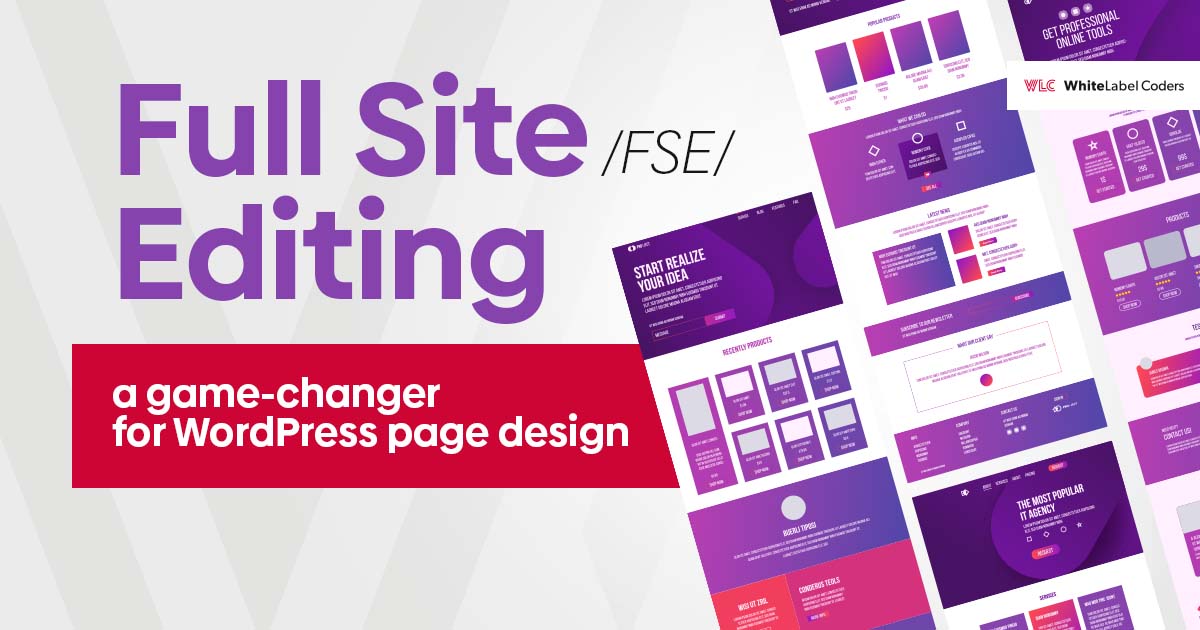
Full Site Editing capabilities extend this power beyond individual pages to entire site sections. Your marketing team can create new landing page templates, adjust header and footer designs for specific campaigns, and customize layouts without touching code or risking site stability.
Reusable component systems ensure consistency even when multiple people create content. Your broker card component always displays information in the same format. Your call-to-action blocks maintain brand standards automatically. Your comparison tables follow the same structure whether a junior content writer or senior marketer creates them.
Building trading-specific blocks addresses your unique needs directly. A dynamic ranking widget pulls current broker ratings from your Trading Data Center and displays them with automatic updates. A spread comparison block shows real-time spread data formatted for easy scanning. A regulatory notice block ensures compliance disclaimers appear correctly on every relevant page.
This component architecture balances flexibility with architectural integrity. Marketers can choose which blocks to use, customize content and styling within defined parameters, and create unique page layouts. However, they can’t break your data structure, compromise performance, or violate compliance requirements because the blocks enforce proper patterns.
The result is marketing agility that matches your business needs. When a broker launches a promotion, your marketing team creates a dedicated landing page in thirty minutes. When regulatory changes require updates, content editors modify affected pages immediately without developer queues. When campaign performance data suggests layout changes, marketers test variations within hours.
Developers focus on building and refining these reusable components rather than creating individual pages. This leverages their expertise more effectively while eliminating bottlenecks that slow campaign launches and content updates.
What are the warning signs that your trading platform needs architectural improvements?
Increasing page load times as content grows indicate fundamental architectural problems. If adding broker profiles or comparison pages makes your entire site slower, your database structure or caching strategy can’t handle scale. Healthy architecture maintains performance regardless of content volume.
Frequent plugin conflicts that require developer intervention suggest your WordPress setup lacks proper dependency management and code organization. When updating one plugin breaks another, or when plugins conflict with your theme, you’re dealing with the fragile architecture that modern frameworks solve.
Difficulty implementing new features reveals technical debt accumulation. If adding a simple broker comparison widget requires weeks of development, your codebase has become tangled and unmaintainable. Clean architecture makes reasonable features reasonably easy to implement.
Developer bottlenecks for simple content updates waste both time and money. When your marketing team needs IT involvement to create landing pages or update comparison tables, your architecture hasn’t empowered the right people. Content operations should rarely require developer time.
Poor Core Web Vitals scores affecting SEO directly impact your revenue through reduced organic visibility. If your pages consistently score poorly on Google’s performance metrics despite optimization attempts, architectural limitations are preventing proper performance optimization.
Crashes during campaign launches represent the most costly architectural failure. When traffic spikes from successful marketing cause site instability, you’re losing money and damaging reputation precisely when you should be capitalizing on interest.
Growing technical debt manifests as an expanding list of “we should fix that someday” issues. Each workaround and quick fix adds complexity. Eventually, the platform becomes so fragile that even minor changes risk breaking something important.
When you recognize these symptoms, assess your current architecture honestly. Identify whether problems stem from hosting limitations, code organization, database structure, or caching strategies. Prioritize improvements based on business impact, addressing revenue-affecting issues before convenience problems.
Deciding between refactoring and rebuilding depends on how deeply problems run. Surface issues like poor caching or missing CDN integration can be fixed incrementally. Fundamental problems like monolithic architecture or unmanageable code often justify rebuilding on modern frameworks that provide long-term maintainability.
Planning architectural improvements without disrupting operations requires careful staging. Build new systems alongside existing ones, migrate content and functionality progressively, and maintain the current platform until the new architecture proves stable. This approach minimizes risk while enabling necessary evolution.
Modern scalable architecture for trading affiliates isn’t just about handling today’s traffic. It’s about building platforms that grow with your business, empower your teams, and maintain performance under any conditions. The investment in proper architecture pays dividends through faster campaigns, lower maintenance costs, better SEO performance, and the confidence to pursue growth opportunities without technical limitations holding you back.