Category: WordPress
What SEO factors matter most for comparison websites?
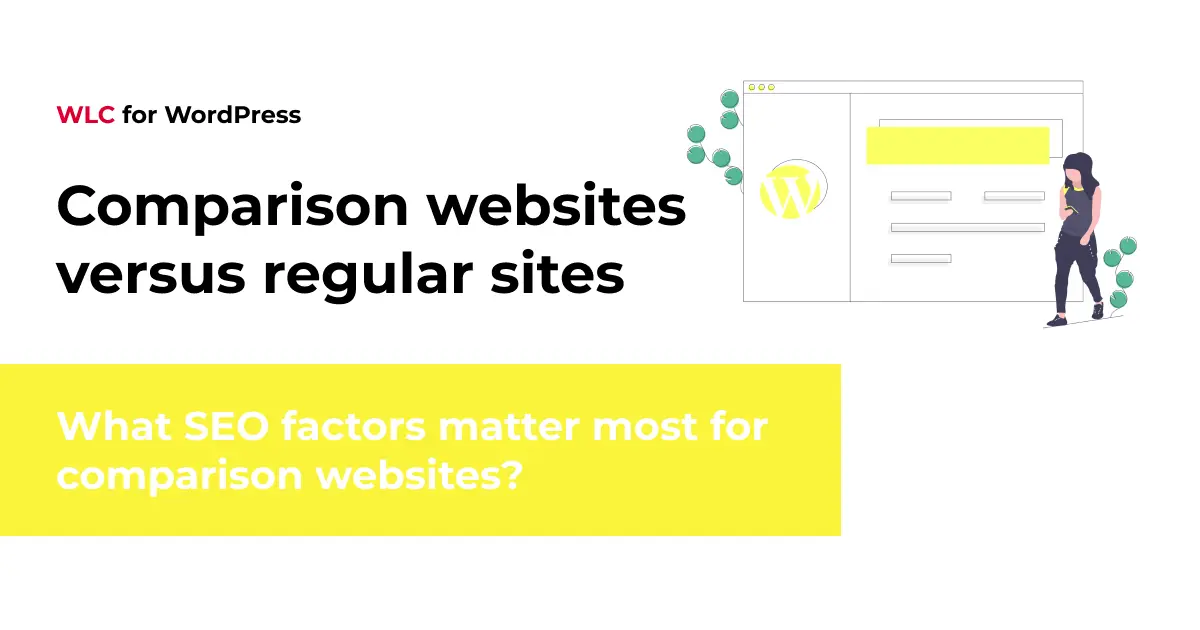
SEO for comparison websites demands a specialised approach that goes beyond standard optimisation techniques. Comparison site optimization requires balancing database-driven content, real-time updates, and user experience whilst maintaining strong search visibility. Trading comparison platforms face unique challenges with dynamic broker data, regulatory requirements, and the need to convert visitors into commissions. This guide addresses the critical SEO factors that determine success for comparison and affiliate websites.
What makes SEO different for comparison websites versus regular sites?
Comparison websites operate with database-driven content that updates frequently, creating unique SEO challenges. Unlike standard sites with static pages, comparison platforms must manage hundreds or thousands of similar pages whilst maintaining distinct value and avoiding duplicate content penalties. The technical architecture needs to support dynamic data feeds, real-time price updates, and programmatic content generation without sacrificing page quality or user experience.
Trading affiliate sites face additional complexity because they’re working with constantly shifting broker offers, spreads, and promotional terms. Your content needs to stay current without requiring manual updates to every single page. This means implementing a centralised data system where changes propagate automatically across all relevant pages.
The monetisation model also affects your SEO strategy. Commission-driven sites must balance search engine requirements with conversion optimisation. You can’t just stuff pages with affiliate links and expect to rank well. Search engines have become sophisticated at identifying thin affiliate content that exists solely to generate clicks rather than serve users genuinely.
Your internal linking structure becomes more complex too. With multiple comparison pages targeting similar keywords, you need a clear hierarchy that signals to search engines which pages should rank for which queries. This requires thoughtful URL architecture and strategic use of breadcrumb navigation.
Why do Core Web Vitals matter more for comparison and affiliate websites?
Core Web Vitals directly impact both your search rankings and conversion rates, making them doubly important for affiliate sites. When visitors land on a slow comparison page, they bounce before seeing your carefully crafted tables and recommendations. Every second of delay reduces the likelihood of earning a commission, whilst simultaneously harming your SEO performance.
Comparison platforms typically struggle with performance because they’re loading heavy data tables, multiple comparison charts, live price feeds, and API integrations. A broker comparison page might pull real-time spreads from five different sources whilst displaying interactive charts and filtering options. Each of these elements adds weight to your page load.
The relationship between page speed and user engagement is particularly pronounced for trading affiliates. Your audience is researching financial decisions and comparing specific numbers. If your comparison table takes five seconds to render, they’ve already moved to a competitor’s site. This creates a direct line between technical performance and revenue.
Modern WordPress development approaches can address these challenges through server-side rendering and intelligent caching strategies. By rendering comparison data on the server rather than through client-side JavaScript, you improve both initial page load and search engine crawlability. Strategic caching ensures that frequently accessed broker data loads instantly without requiring fresh API calls for every visitor.
How does structured data affect rankings for comparison platforms?
Structured data markup enables rich snippets and enhanced search visibility that can dramatically improve click-through rates for comparison sites. Product schema, Review schema, Organization schema, and FAQ schema all help search engines understand your content structure and display it more prominently in search results. For broker comparison pages, proper schema markup can trigger comparison tables directly in search results, giving you valuable real estate above organic listings.
When you mark up broker reviews with Review schema, you enable star ratings to appear in search results. This visual element increases trust and click-through rates, particularly important for financial comparison sites where credibility matters enormously. The schema tells search engines which content represents the review, the rating score, the author, and the date published.
FAQ schema works particularly well for comparison platforms because you’re naturally answering questions like “Which broker has the lowest spreads?” or “What’s the minimum deposit for this trading platform?” Marking up these question-answer pairs can secure featured snippet positions and “People Also Ask” placements.
Organization schema helps establish your site’s credibility by providing structured information about your company, contact details, and social profiles. For trading affiliate sites operating in regulated markets, this transparency supports the trust signals that search engines evaluate for financial content.
What content architecture works best for comparison website SEO?
The hub-and-spoke model works exceptionally well for comparison site optimization. Your main comparison pages serve as hubs (for example, “Best Forex Brokers 2024”), whilst individual broker reviews and specific comparison pages act as spokes connecting back to the hub. This structure creates clear topical authority whilst distributing link equity effectively throughout your site.
Your URL structure should reflect this hierarchy logically. A trading comparison site might use: /brokers/ for the main hub, /brokers/review/broker-name/ for individual reviews, and /brokers/compare/broker-a-vs-broker-b/ for direct comparisons. This creates a clear path for both users and search engines to understand content relationships.
Internal linking strategy becomes critical when you’re managing hundreds of similar pages. Each broker review should link back to relevant comparison pages, category hubs, and related broker reviews. The anchor text should be descriptive and varied, avoiding repetitive exact-match links that can appear manipulative.
Faceted navigation presents a particular challenge for data-heavy affiliate sites. When users filter comparison tables by criteria like “minimum deposit” or “regulation type,” you’re potentially creating thousands of URL variations. You need to decide which filtered views deserve indexing and which should be blocked or canonicalised to avoid crawl budget waste and duplicate content issues.
How do you handle duplicate content issues on comparison sites?
Duplicate content naturally occurs on comparison platforms because you’re discussing similar products with overlapping features. The key is creating sufficient unique value on each page through distinctive analysis, different comparison angles, and specific use case recommendations. A page comparing “Best Brokers for Beginners” should offer genuinely different insights than “Best Low-Deposit Brokers,” even if some featured brokers overlap.
Canonical tags become essential when you have multiple URLs displaying similar content. If your comparison table can be sorted by different criteria, creating various URL parameters, you should canonicalise these variations back to a primary version. This consolidates ranking signals whilst allowing users to interact with your data flexibly.
Dynamic content differentiation helps when you’re generating pages programmatically. Rather than simply swapping broker names into identical templates, your system should pull unique data points, specific pros and cons, and tailored recommendations based on each broker’s actual features. A centralised data system makes this possible by storing rich information about each broker that can be surfaced contextually.
For trading affiliate sites managing dozens of broker reviews, maintaining quality at scale requires thoughtful systems. Custom WordPress blocks and templates can ensure consistency whilst allowing content teams to add unique insights efficiently. The goal is creating a framework that prevents duplicate content by design rather than requiring constant manual vigilance.
What technical SEO factors affect comparison website crawlability?
Crawl budget optimization matters significantly for large comparison sites with hundreds or thousands of pages. Search engines allocate limited resources to crawling each site, so you need to ensure they’re spending that budget on your valuable comparison pages rather than filtered views, sorting variations, or low-value utility pages. Your XML sitemap should prioritise important comparison pages and broker reviews whilst excluding or deprioritising less critical URLs.
JavaScript rendering creates particular challenges for comparison platforms that load data dynamically. If your comparison tables are built entirely through AJAX calls after page load, search engines may not see that content during crawling. Server-side rendering addresses this by delivering fully formed HTML to crawlers whilst still allowing interactive features for users.
Pagination handling requires careful consideration when you’re displaying large datasets across multiple pages. Using rel=”next” and rel=”prev” tags (though Google no longer officially supports them) or implementing “View All” pages with appropriate canonicalisation helps search engines understand your content structure. For trading comparison sites with extensive broker lists, you might consider infinite scroll with proper URL state management.
Your robots.txt configuration should block search engines from crawling admin areas, filtering parameters that create duplicate content, and internal search result pages. However, be cautious about being too aggressive with blocking, as this can prevent search engines from discovering valuable comparison pages linked through your navigation.
How does content freshness impact SEO for trading comparison websites?
Content freshness carries particular weight for comparison site rankings in fast-moving industries like trading and finance. Search engines recognise that broker spreads, promotional offers, and regulatory status change frequently, so they favour sites that maintain current information. Outdated comparison data doesn’t just harm your SEO, it damages user trust and potentially violates advertising standards in regulated markets.
Automated data update systems solve the freshness challenge at scale. By connecting your comparison pages to a centralised database that pulls current information from broker APIs, you ensure that spreads, fees, and offers stay current without manual updates to every page. This automation also sends freshness signals to search engines through last-modified timestamps and updated content.
Editorial refresh strategies complement automated updates by ensuring your analysis and recommendations stay relevant. Even if broker data updates automatically, you should periodically review your written content to reflect market changes, new competitors, and evolving user needs. Adding timestamp indicators and “Last Updated” dates provides transparency to both users and search engines.
For YMYL (Your Money Your Life) topics like trading and financial services, Google evaluates content recency more strictly. A broker review from 2019 carries less weight than one updated this month, even if the core information hasn’t changed dramatically. Regular content refreshes signal that you’re actively maintaining accuracy rather than letting pages stagnate.
What role does E-E-A-T play in ranking comparison and affiliate sites?
Experience, Expertise, Authoritativeness, and Trust form the foundation of SEO success for financial comparison websites. Search engines scrutinise trading affiliate sites carefully because poor recommendations can cause genuine financial harm. You need to demonstrate that real people with relevant experience are creating and reviewing your broker comparisons, not just automatically generating content for affiliate commissions.
Author credentials matter significantly for trading comparison content. Displaying bylines with author bios that establish relevant experience (such as financial journalism, trading background, or regulatory knowledge) builds trust with both users and search engines. This doesn’t mean every writer needs a finance degree, but you should show genuine expertise in evaluating and comparing brokers.
Transparent affiliate disclosures actually support your E-E-A-T rather than undermining it. Clear explanations of how you earn commissions, combined with genuine editorial independence, demonstrate honesty. Users and search engines both recognise that affiliate relationships don’t inherently mean biased recommendations, provided you’re transparent about them.
Editorial processes and fact-checking protocols strengthen your authority signals. Documenting how you verify broker information, test platforms, and update recommendations shows that your comparisons result from genuine research rather than just copying data from broker websites. External validation through industry recognition, expert citations, and quality backlinks further reinforces your site’s authority in the trading comparison space.
Building a successful comparison website requires addressing these interconnected SEO factors systematically. The technical foundation must support dynamic data whilst maintaining performance. Your content architecture needs to create clear topical authority without duplicate content issues. Most importantly, you need to demonstrate genuine expertise and maintain current information in a way that serves users rather than just chasing affiliate commissions. Modern WordPress development approaches, including centralised data systems and custom block libraries, make it possible to achieve these goals at scale whilst keeping content teams productive and focused on quality.